
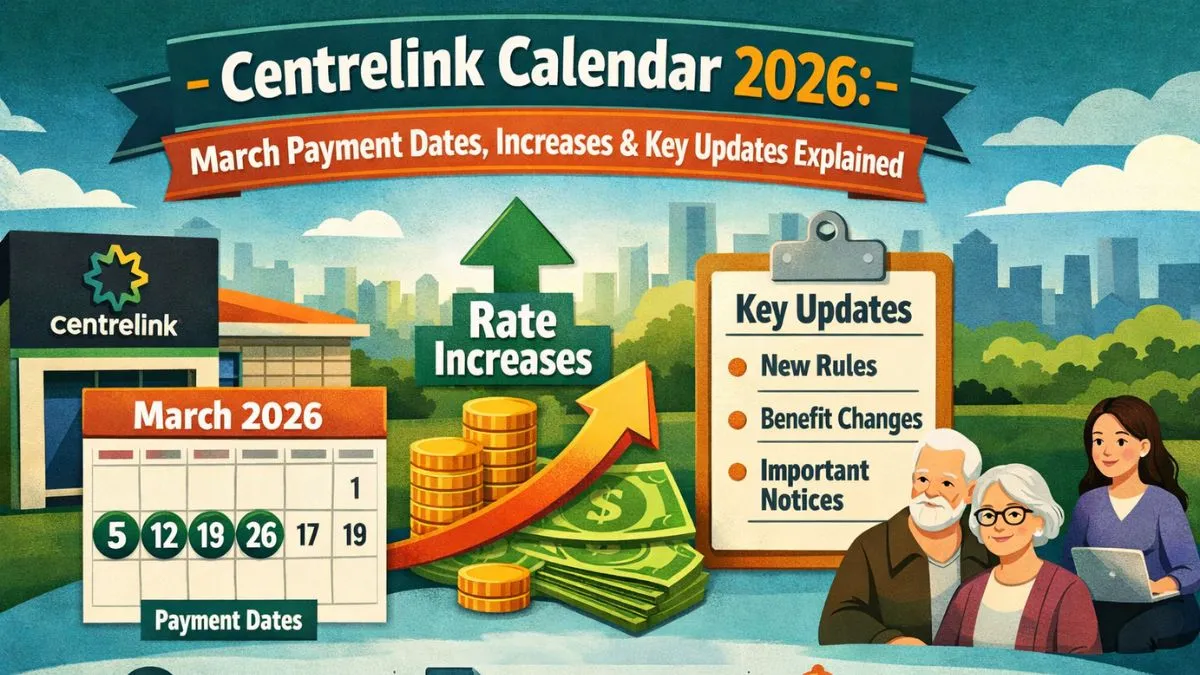
The Centrelink Calendar 2026 is especially important in March, as this month often brings changes to payment dates, reporting cycles, and possible payment increases. For many Australians who depend on Centrelink support, even small timing adjustments can impact budgeting, bill payments, and financial planning.
In 2026, March continues this trend, with updated schedules influenced by public holidays, administrative updates, and indexation changes. Understanding the Centrelink Calendar 2026 can help you stay prepared and avoid unexpected disruptions.
Why Centrelink Payment Dates May Change in March 2026

March is a period when payment schedules can shift slightly. This happens mainly due to regional public holidays and early-year system updates.
Key Reasons for Schedule Adjustments
- Payments are moved earlier to avoid bank closures on public holidays
- Deposits are processed before long weekends
- Reporting cycles are kept consistent
- System processing delays are avoided
In most cases, payments are released earlier rather than delayed, ensuring recipients still receive funds on time.
March 2026 Indexation and Payment Updates
March is also one of the two key months (March and September) when Centrelink payments may be reviewed or increased.
Possible Updates in March Include
- Changes to reporting cycles
- Updated income thresholds
- Administrative schedule adjustments
- Flow-on effects from earlier policy updates

If any approved increase applies in early 2026, it will typically appear in your regular fortnightly payment.
Who Should Pay Extra Attention to the Centrelink Calendar 2026
While all recipients should stay informed, some groups need to be especially careful during March changes.
Key Groups to Monitor Updates
- People receiving part-pensions with income reporting
- Job seekers submitting fortnightly reports
- Families managing fixed expenses and bills
- Renters receiving rent assistance
- Households relying on strict payment timing
Missing a reporting deadline—even by mistake—can lead to temporary payment delays or suspensions.
How Early Payments Affect Your Budget

If your payment arrives earlier than expected under the Centrelink Calendar 2026, it may feel like a bonus—but it’s not extra money.
Important Budget Impacts
- The next payment may take longer to arrive
- Direct debits may need adjustment
- Budget cycles may shift
- Reporting deadlines may close earlier
Planning ahead is key. Early payments simply change timing, not the total amount.
Real-Life Experiences from Centrelink Recipients
Many Australians have experienced confusion during March payment changes.
- Anthony (Melbourne, 68) shared that an early March payment made him think there was a policy change, but it was just a schedule adjustment.
- A retiree from Brisbane explained that regularly checking online dates helped her avoid missing reporting deadlines.
These examples show that staying updated with the Centrelink Calendar 2026 can prevent unnecessary stress.
Official Advice from Services Australia
Services Australia confirms that payment date adjustments are normal and part of routine operations.
What Officials Recommend
- Always check your myGov or Centrelink account
- Review updated payment schedules before public holidays
- Stay informed about reporting deadlines
Official communication is the most reliable way to track changes in the Centrelink Calendar 2026.
How to Prepare for Centrelink March 2026 Payments
To stay financially stable during schedule changes, follow these steps:
Preparation Checklist
- Log in to your myGov/Centrelink account
- Check updated payment dates
- Review reporting deadlines
- Adjust direct debit payments if needed
- Monitor your bank account regularly
Even small adjustments can make a big difference in managing your cash flow effectively.
The Centrelink Calendar 2026 plays a crucial role in helping Australians manage their finances during March. While most payments continue as usual, slight changes in timing due to public holidays and administrative updates can affect budgeting and reporting schedules.
Staying informed, checking your account regularly, and planning ahead can help you avoid delays and financial stress. By understanding how the Centrelink Calendar 2026 works, you can confidently manage your payments and maintain stability throughout the month.
FAQs
1. Why do Centrelink payments change in March 2026?
Payments may shift due to public holidays, banking schedules, and system updates to ensure timely delivery.
2. Does an early payment mean extra money?
No, early payments only change the timing. The total payment amount remains the same.
3. What happens if I miss a reporting deadline?
Missing a deadline can delay or temporarily stop your payment until you complete your reporting.